Specialized Cleaning Strategies for Daycare Centers
Running a daycare means being responsible for some of the most vulnerable people on the planet. Young children—especially those under five—are still developing their immune systems, making them far more susceptible to infections than adults. One sick child can quickly turn into a classroom-wide outbreak, and parents are quick to notice when hygiene standards slip.
Cleanliness in a daycare setting goes beyond appearances. It directly affects the health and wellbeing of every child in your care, the confidence parents have in your facility, and even your center’s reputation and compliance with local health regulations. A clean daycare signals to families that their children are safe, well-supervised, and in capable hands.
This guide covers everything you need to know about keeping your daycare spotless—from daily cleaning checklists to deep cleaning strategies, child-safe product recommendations, and the benefits of working with professional cleaning services like Signature Cleaning Concepts.
Understanding the Unique Cleaning Challenges in Daycares
Daycare centers present cleaning challenges that most commercial spaces don’t. The sheer volume of high-touch surfaces—door handles, light switches, toy bins, bathroom faucets—combined with frequent messes, spills, and accidents creates a constantly shifting cleaning workload.
Shared spaces like playrooms, nap areas, and bathrooms are particular hotspots for germs. Children in group care settings are exposed to a wide range of bacteria and viruses daily, and containment requires consistent, targeted effort. Nap mats, shared blankets, and communal toys can harbor pathogens if not cleaned and sanitized regularly.
One of the trickiest balancing acts in daycare cleaning is choosing products that are effective against germs without being harmful to young children. Harsh disinfectants containing bleach, ammonia, or volatile organic compounds (VOCs) can irritate children’s respiratory systems and skin. The cleaning approach must be rigorous, but it also has to prioritize the safety of its youngest occupants.

Daily Cleaning Checklist for Daycare Centers
Consistency is the foundation of effective daycare hygiene. A structured daily cleaning routine ensures that nothing gets overlooked, even on the busiest days.
Morning Preparation
- Disinfect all high-touch surfaces, including door handles, light switches, countertops, and tabletops.
- Sanitize bathroom fixtures—toilets, sinks, faucets, and changing tables.
- Wipe down chairs and tables in eating areas before meals.
- Inspect floors for debris and mop any sticky or soiled areas.
Throughout the Day
- Clean and sanitize tables immediately after meals and snacks.
- Spot-clean floors as spills occur.
- Remove soiled items (clothing, bedding, diapers) promptly and wash hands after handling.
- Regularly disinfect toys that children have placed in their mouths or shared between multiple children.
End-of-Day Routine
- Sweep and mop all hard floors.
- Vacuum carpeted areas and rugs.
- Wipe down all surfaces in playrooms and nap areas.
- Empty and sanitize trash cans.
- Launder any used cloth items, including bibs, towels, and nap blankets.
- Restock soap, paper towels, and hand sanitizer dispensers.
A posted checklist that staff can initial and date creates accountability and provides a record of what was completed each day.
Weekly and Monthly Deep Cleaning Strategies
Daily cleaning keeps the surface-level mess under control. Deep cleaning addresses the buildup that daily routines can’t fully reach.
Weekly Tasks
- Sanitize all toys thoroughly, including plastic toys (wipe or soak in a diluted non-toxic disinfectant), soft toys (machine wash where possible), and ride-on toys or larger equipment.
- Clean and disinfect cubbies, storage bins, and shelving.
- Wash and dry all nap mats and pillows.
- Deep-clean bathroom grout, tile, and drains.
- Wipe down windowsills, baseboards, and door frames.
Monthly Tasks
- Deep-clean carpets and upholstered furniture. Carpets in daycare settings can trap allergens, dust mites, and bacteria that vacuuming alone won’t remove. Steam cleaning is particularly effective.
- Inspect and clean HVAC vents and replace air filters as needed. Indoor air quality has a direct impact on respiratory health, and HVAC systems can circulate dust, allergens, and even mold spores if neglected.
- Clean inside refrigerators and microwaves used by staff or for food storage.
- Inspect outdoor play equipment for dirt, mold, or debris and clean accordingly.
Scheduling deep-cleaning tasks on a rotating calendar prevents them from being pushed aside during busy periods.
Choosing Child-Safe Cleaning Products
Not all cleaning products are created equal—and in a daycare setting, the distinction matters enormously. Young children spend time on the floor, touch virtually every surface, and are highly sensitive to chemical residues.
Products containing bleach, strong acids, or synthetic fragrances should be used with caution or avoided altogether in areas where children are present. These ingredients can irritate airways, trigger asthma symptoms, and cause skin reactions even at low concentrations.
Look for cleaning products that meet the following criteria:
- Non-toxic and fragrance-free: Free from harsh chemicals and artificial scents.
- EPA Safer Choice certified: This label indicates that all ingredients have been reviewed for safety by the U.S. Environmental Protection Agency.
- Effective against common pathogens: Check that products are proven to eliminate bacteria and viruses like norovirus, rhinovirus, and influenza.
- Appropriate for specific surfaces: Some products are formulated for hard surfaces, others for fabric or carpet. Use the right product for each application.
Eco-friendly brands like Branch Basics, ECOS, and Seventh Generation offer effective, child-safe cleaning options. Always follow dilution instructions and allow surfaces to air dry completely before children return to the space.
Training Staff on Proper Cleaning Protocols
Even the best cleaning products and schedules fall short without proper staff training. Every team member in a daycare setting should understand their role in maintaining hygiene—not just the designated cleaning staff.
Training should cover:
- Hand hygiene: When and how to wash hands properly (before and after meals, after diapering, after handling animals, after blowing noses, etc.).
- Proper use of cleaning products: How to dilute solutions correctly, which surfaces require disinfection vs. sanitization, and how long a disinfectant needs to sit before wiping.
- Handling bodily fluids safely: Protocols for cleaning up vomit, blood, or fecal matter, including the use of gloves and proper disposal.
- Recognizing when to escalate: When to alert a supervisor about a potential illness outbreak or a cleaning issue that requires professional attention.
Create a written cleaning schedule that assigns specific tasks to specific staff members across each shift. Revisit training at least twice per year and update protocols as needed based on new health guidance or changes in the facility.
Preventing the Spread of Illness in Daycares
Even the cleanest daycares experience illness outbreaks. When a stomach bug or respiratory virus begins circulating, a proactive response makes all the difference.
Key prevention strategies include:
- Encouraging frequent handwashing among both children and staff, especially before eating and after outdoor play.
- Maintaining clear policies about when sick children should stay home and communicating these consistently to families.
- Increasing the frequency of disinfecting high-touch surfaces during any active illness outbreak.
- Sanitizing shared items—books, art supplies, sensory bins—more frequently when illness is present.
- Posting reminders for staff and parents about hygiene expectations at entry points.
Having a written illness response plan also gives staff clear direction on what steps to take when a child or staff member shows symptoms during the day.
Partnering with Professional Cleaning Services
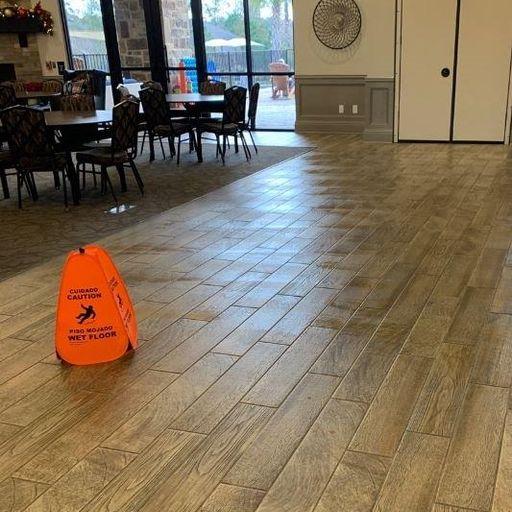
There comes a point where in-house cleaning, no matter how diligent, isn’t enough. Professional cleaning services bring the equipment, expertise, and consistency that daycare centers need to maintain genuinely high standards of hygiene.
Outsourcing cleaning tasks—particularly deep cleaning and carpet or upholstery sanitization—frees staff to focus on caring for children rather than managing janitorial duties. It also introduces a level of accountability and specialization that’s difficult to replicate internally.
When choosing a professional cleaning partner for your daycare, look for:
- Experience cleaning childcare or educational facilities specifically.
- Use of child-safe, non-toxic cleaning products.
- Clear communication about what’s included in each service visit.
- Flexibility to clean outside of operating hours to minimize disruption.
- References or reviews from similar clients.
Signature Cleaning Concepts specializes in daycare and childcare facility cleaning, bringing a thorough, tailored approach that meets the unique demands of environments where children’s safety is the top priority. Their team understands which areas require the most attention, which products are appropriate for child-occupied spaces, and how to deliver consistent results that give parents and operators peace of mind.
A Cleaner Daycare, A Happier Community
Specialized cleaning isn’t optional in a daycare setting—it’s a core part of providing safe, quality care. From a structured daily checklist to thoughtful product choices, trained staff, and professional support, every layer of your cleaning strategy contributes to the health and wellbeing of the children in your facility.
The investment you make in cleanliness pays off in reduced illness, greater parent confidence, and a more positive environment for everyone who walks through your doors.
Ready to take your daycare’s cleaning standards to the next level? Contact Signature Cleaning Concepts today for a consultation and find out how their specialized cleaning services can support your facility.
https://www.google.com/maps?cid=5464939504344514741