How Structured Cleaning Systems Improve Consistency in Commercial Spaces
Walk into a spotless office lobby, a gleaming hotel corridor, or a pristine retail store, and something happens almost immediately—your confidence in that business goes up. Cleanliness signals care, professionalism, and attention to detail. On the flip side, a poorly maintained space can drive customers away and quietly erode employee morale, even when everything else about your business is running smoothly.
For commercial facilities, cleanliness can’t afford to be hit-or-miss. One clean inspection doesn’t make up for three missed ones. That’s why consistency matters more than any single deep clean—and it’s exactly where structured cleaning systems make the difference.
At Signature Cleaning Concepts, we’ve spent years helping commercial facilities move away from reactive, disorganized cleaning commercial spaces that deliver reliable results, day after day. Here’s what that looks like in practice—and why it matters for your business.
The Problem with Ad-Hoc Cleaning Approaches
Many commercial facilities rely on ad-hoc cleaning—tasks completed when time allows, responsibilities loosely assigned, and standards left largely undefined. It might seem manageable at first, but the cracks appear quickly.
The most common pitfalls include missed areas, lack of accountability, and wasted time. When there’s no clear protocol, high-traffic zones get cleaned repeatedly while overlooked corners accumulate grime. Staff aren’t sure what’s expected, and managers have no reliable way to verify that standards are being met.
The real-world consequences can be significant. A healthcare facility with inconsistent sanitation practices risks failing compliance inspections. A restaurant with poorly maintained restrooms loses customers who simply don’t come back. A corporate office with visible cleanliness gaps sends a subtle but damaging message to clients and employees alike.
What Are Structured Cleaning Systems?
A structured cleaning system is a formalized, repeatable approach to maintaining a facility’s cleanliness. Rather than relying on staff memory or informal routines, it uses documented protocols, defined schedules, and measurable standards to ensure every task gets done correctly and on time.
The key components typically include:
- Standardized cleaning protocols: Step-by-step instructions for each task, covering which products to use, the correct techniques, and the expected outcome.
- Scheduled cleaning cycles: Clearly defined frequencies for each task—daily, weekly, monthly, or seasonal—based on usage patterns and facility requirements.
- Checklists and verification tools: Physical or digital checklists that staff complete after each task, creating a record of what was done and when.
- Performance monitoring: Regular audits or inspections to measure compliance and identify areas for improvement.
The difference between this approach and traditional cleaning methods comes down to documentation and accountability. Traditional cleaning often relies on experienced staff “knowing what to do,” which creates inconsistency the moment that person is unavailable. Structured systems, by contrast, make the knowledge transferable. Any trained staff member can step in and maintain the same standard.
Technology is playing a growing role here. Digital cleaning management platforms allow supervisors to assign tasks, track completion in real time, and generate performance reports. QR code scanning at specific locations can verify that staff actually visited each zone. These tools don’t replace skilled cleaning professionals—they give them a framework that supports better outcomes.
Why Structured Cleaning Systems Work
There’s a straightforward reason why repeatable processes produce better results: they remove variability. When the same task is performed the same way every time, the outcome becomes predictable. That predictability is exactly what commercial facilities need.
Efficiency improves significantly when staff know precisely what to do and in what order. There’s less time spent figuring out what hasn’t been done, less duplicated effort, and fewer gaps. Training becomes faster and more effective because new staff are learning a defined process, not picking up habits from whoever trained them.
Accountability shifts from vague expectations to clear records. When a checklist is completed and logged, there’s a paper trail. When it isn’t, the gap is immediately visible. This transparency benefits everyone—managers can address issues early, and staff have clarity about what’s expected of them.
The cumulative effect on quality is significant. A facility maintained through structured cleaning doesn’t just look cleaner on any given day—it stays cleaner over time because the system catches and corrects issues before they escalate.
Key Elements of a Successful Structured Cleaning System
Getting the system right requires attention to a few foundational elements.
Standardized Protocols and Schedules
Every cleaning task should have a documented protocol that specifies how it should be performed, which products and equipment to use, and what the finished result should look like. Schedules should reflect the actual usage patterns of the facility—a high-traffic reception area needs more frequent attention than a rarely used storage room.
Staff Training
A cleaning system is only as good as the people executing it. Comprehensive training ensures staff understand not just what to do, but why each step matters. This builds buy-in and reduces the likelihood of shortcuts. Refresher training is equally important, particularly when protocols are updated or new products are introduced.
Monitoring and Tracking Tools
Whether through paper-based checklists or digital platforms, facilities need a reliable way to verify that cleaning tasks are being completed to the required standard. Regular audits—conducted by supervisors or third-party inspectors—provide an additional layer of quality assurance and help identify patterns that need attention.
How to Implement a Structured Cleaning System in Your Facility
Transitioning from ad-hoc to structured cleaning doesn’t have to be disruptive. A phased approach tends to work best.
- Start with an audit. Before building a new system, document what’s currently happening. Identify which areas are being cleaned, how often, and to what standard. This baseline helps you pinpoint the biggest gaps and prioritize accordingly.
- Define your protocols. Work through each area of your facility and document the specific tasks required, the correct methods, and the expected frequency. Be specific—vague instructions like “clean the bathroom” leave too much room for interpretation.
- Build your schedules. Assign tasks to specific time slots and staff members. Make sure the workload is realistic and that the schedule accounts for peak and off-peak periods.
- Introduce your tools. Whether you opt for physical checklists or a digital management system, make sure staff are trained on how to use them before the new system goes live.
- Gain staff buy-in. This step is often underestimated. Cleaning staff who understand the purpose of the new system—and who feel their expertise is respected in building it—are far more likely to follow it consistently. Involve them in the process where possible. Address concerns directly. Recognize good performance.
- Monitor and refine. No system is perfect from day one. Conduct regular audits, review your data, and adjust protocols as needed. A structured system should evolve as your facility’s needs change.
Signature Cleaning Concepts supports businesses through every stage of this process—from initial assessment through ongoing compliance monitoring—so you’re never navigating the transition alone.
The Long-Term Benefits of Structured Cleaning Systems
The case for structured cleaning extends well beyond appearances.
- Customer satisfaction and loyalty improve when a facility consistently meets a high standard of cleanliness. Customers notice, and that positive impression contributes to retention and word-of-mouth referrals.
- Maintenance costs go down over time. Regular, systematic cleaning extends the lifespan of flooring, fixtures, and equipment by preventing the buildup of grime and contaminants that accelerate wear and damage.
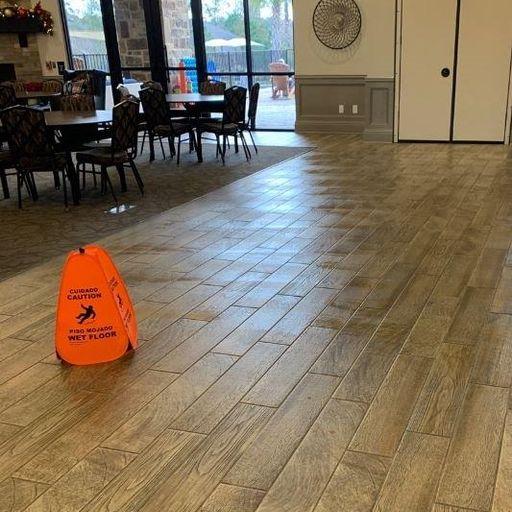
- Workplace safety improves. Structured systems ensure hazardous areas—wet floors, cluttered walkways, contaminated surfaces—are addressed promptly and consistently, reducing the risk of accidents and associated liability.
- Regulatory compliance becomes more manageable. Industries with strict hygiene requirements, including food service, healthcare, and hospitality, benefit from the documentation that structured systems provide. In the event of an inspection, you have a clear record of what was done and when.
Consistency Is the Standard—Make It Yours
A single exceptional clean won’t define how customers and employees perceive your facility. Consistency will. Structured cleaning systems make that consistency achievable and sustainable—not as a one-time effort, but as an ongoing operational standard.
Signature Cleaning Concepts specializes in designing and implementing structured cleaning systems for commercial facilities of all sizes. From protocol development to staff training to performance monitoring, we provide the expertise and support your facility needs to maintain a high standard, every day.
Ready to move from ad-hoc to accountable? Contact Signature Cleaning Concepts today to schedule a consultation.
https://www.google.com/maps?cid=5464939504344514741