What a Professional Cleaning Checklist Should Include
A professional cleaning checklist should include daily maintenance of high-traffic areas, strict restroom sanitization, breakroom hygiene protocols, and detailed floor care. It ensures your facility remains compliant and safe by standardizing procedures, managing waste, and guiding fully insured cleaning personnel through customized, consistent maintenance routines.
A well-structured maintenance plan removes the guesswork from facility care and prevents crucial areas from being overlooked. Without written protocols, cleaning routines often become inconsistent, leading to neglected zones that harbor bacteria or present safety hazards. By detailing every required action, a thorough checklist ensures that fully insured and bonded personnel execute their duties predictably, maintaining a high level of operational readiness day after day.
This guide provides an overview of the essential components that make up a reliable professional cleaning checklist and explains how standardizing these tasks protects your commercial investment. You will learn the specific requirements for different zones within your facility, from public lobbies to private offices, and discover how a customized strategy delivered by thoroughly vetted professionals guarantees a spotless, compliant workplace.
Managing Daily Maintenance in High-Traffic Areas
Prioritizing Entrances and Public Lobbies
The specific steps needed to clear debris from entryways and maintain clean reception areas are vital to secure a strong first impression for your business. Because lobbies experience the highest volume of foot traffic, professionals must thoroughly sweep walkways, spot-clean glass doors, and organize seating areas daily. When you ensure these initial touchpoints are pristine, you establish a standard of excellence that reflects positively on your entire organization.
Disinfecting High-Touch Surfaces Constantly
Targeting doorknobs, elevator buttons, and stair rails requires a deliberate strategy to break the chain of infection throughout your facility. A professional checklist mandates the use of EPA-registered disinfectants on these frequent contact points, significantly reducing the transmission of contagious pathogens among employees and visitors.
Emptying Receptacles and Managing Waste
Clearing trash bins daily, replacing liners, and removing waste from the premises safely are non-negotiable procedures for any commercial environment. A standardized checklist ensures that all receptacles, from lobby bins to exterior trash cans, are emptied before they overflow and attract pests.
Standardizing Restroom Sanitization and Restocking
Applying Proper Disinfectants to Fixtures
Professional cleaning teams ensure sanitizing agents remain on toilets, sinks, and handles long enough to effectively eliminate contagious pathogens. A detailed checklist specifies the exact dwell time required for commercial-grade chemicals to destroy bacteria and viruses on restroom fixtures. By strictly adhering to these application protocols, trained staff prevent cross-contamination and secure a hygienic environment for everyone using the facilities.
Maintaining Strict Inventory for Hygiene Supplies
Monitoring and refilling paper towels, toilet tissue, and hand soap are necessary actions to keep your washrooms fully functional and accommodating. When a checklist includes mandatory inventory checks during every service shift, facility managers avoid the embarrassing and unhygienic scenario of depleted restroom dispensers.
Addressing Odor Control and Biological Hazards
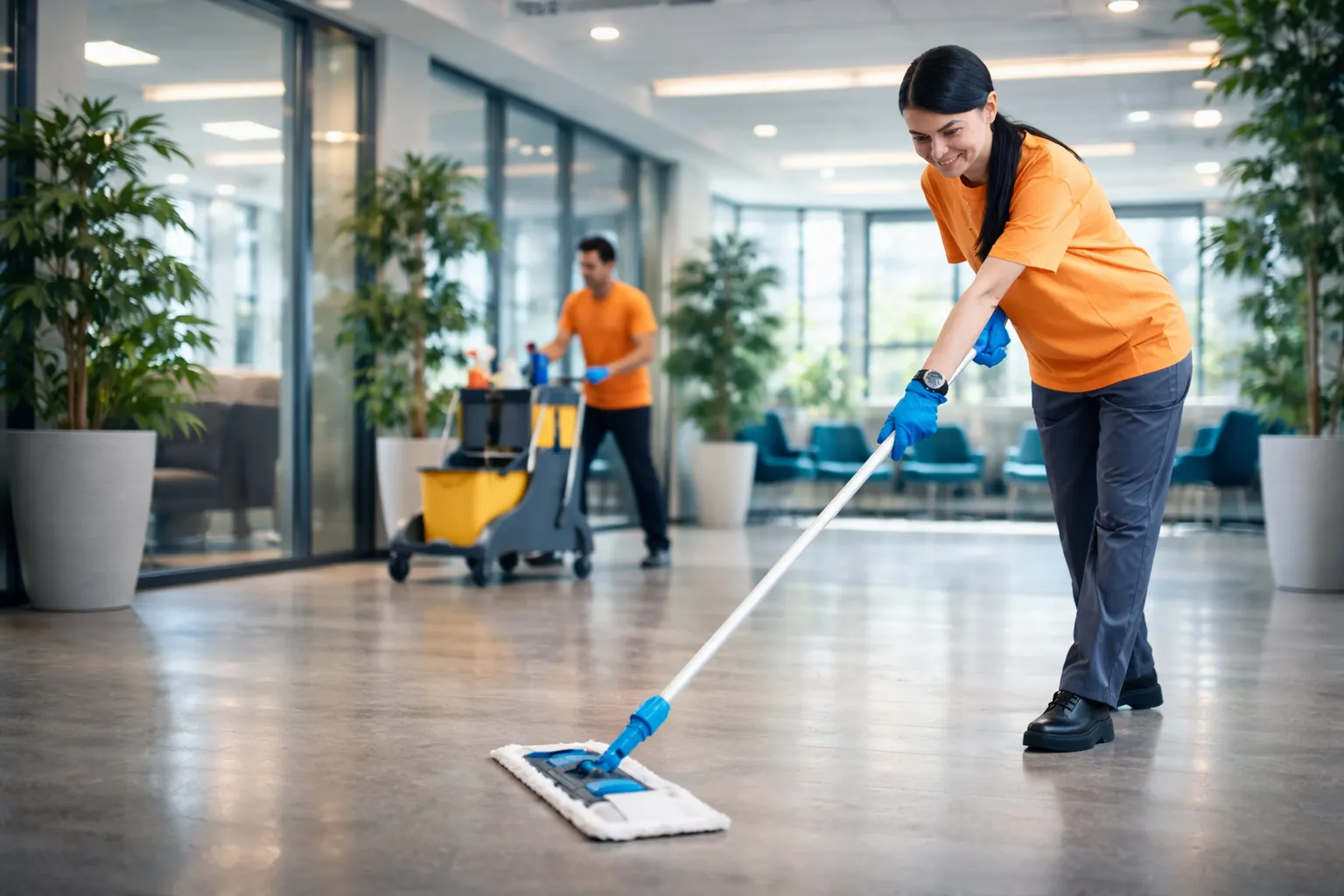
Routine cleaning of floors and drains neutralizes bacteria that cause lingering odors and maintains a sanitary environment in commercial restrooms. Professional personnel must utilize specialized floor cleaners and drain treatments to extract urine and biological contaminants that basic mopping leaves behind.
Establishing Protocols for Breakrooms and Kitchens
Securing Food Preparation Surfaces
There is a distinct difference between basic wiping and the professional sanitization protocols necessary for countertops and tables where employees eat. A robust checklist requires staff to utilize food-safe disinfectants to eradicate harmful bacteria like Salmonella and E. coli from shared dining areas.
Maintaining Shared Appliances and Sinks
Cleaning microwaves, refrigerators, and coffee stations requires deliberate steps to prevent cross-contamination and pest attraction in employee breakrooms. The checklist must direct cleaning personnel to remove food splatters from appliance interiors, sanitize sink basins, and wipe down appliance handles.
Managing Floor Care in Dining Spaces
Sweeping and mopping breakroom floors daily are critical tasks to capture dropped food particles and prevent dangerous slip hazards. Professional cleaners use appropriate degreasers and friction-enhancing solutions to remove sticky residue from hard flooring in eating areas.
Sustaining Clean Workstations and Private Offices
Dusting Desks and Electronics Safely
Carefully removing dust from monitors, keyboards, and desk surfaces without disrupting sensitive documents or equipment requires specific, trained methods. A professional checklist guides staff to use microfiber cloths and anti-static products that capture particulate matter rather than simply pushing it into the air. This meticulous approach protects expensive office hardware from dust accumulation while respecting the privacy and organization of individual workspaces.
Emptying Individual Workstation Bins
Consistent removal of personal trash prevents localized odors and keeps the general office environment looking orderly and professional. The checklist must stipulate that every desk-side bin is emptied daily and that soiled liners are immediately replaced to prevent sticky residues from forming. Managing workstation waste efficiently ensures that employees return to a clean, focused environment every morning.
Organizing Shared Resource Centers
The cleaning procedures for copy rooms and shared file areas ensure these heavily utilized zones remain functional, tidy, and free of paper dust. Professionals must clear abandoned documents, wipe down the exterior of printing machinery, and organize communal supplies according to your facility’s standards. Keeping these resource centers pristine prevents equipment malfunctions caused by debris and streamlines daily office operations.
Executing Comprehensive Floor Care and Safety Measures
Trapping Dirt on Hard Flooring Surfaces
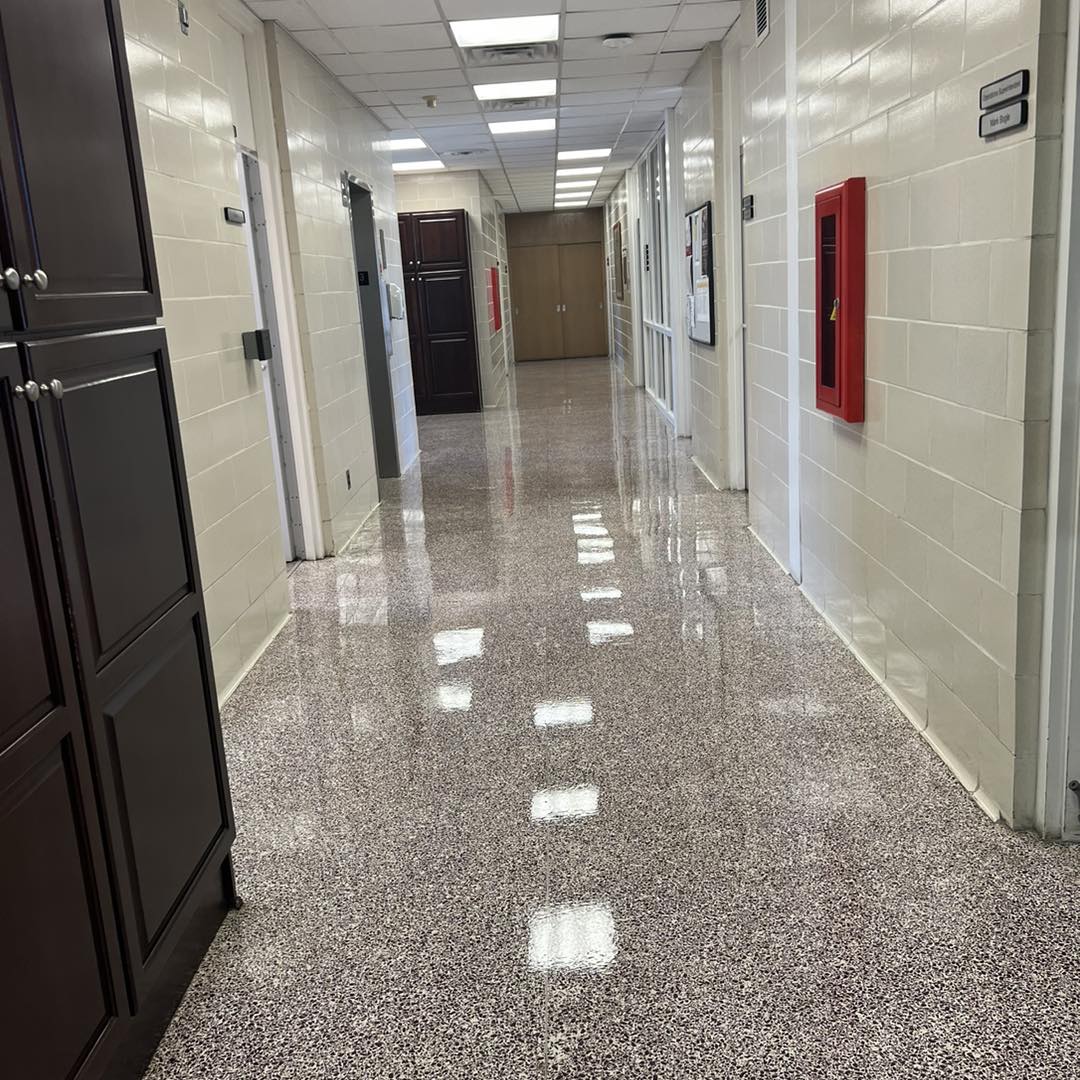
Sweeping and mopping hard surfaces thoroughly while preserving traction requires specific procedures to prevent accidents in your hallways and common areas. A detailed checklist dictates the use of pH-neutral floor cleaners that strip away dirt without degrading the protective wax or finish on your commercial flooring. Maintaining this rigorous daily care prevents long-term damage to your surfaces and ensures a safe walking environment.
Extracting Contaminants from Carpeting
Daily vacuuming removes surface dirt, allergens, and abrasive particles before they permanently damage your commercial carpet fibers. Utilizing industrial vacuums equipped with HEPA filters ensures that cleaning personnel extract microscopic contaminants rather than recirculating them into the breathable air. Documenting this task guarantees that your carpeting retains its professional appearance and its lifespan is significantly extended.
Controlling Debris at Main Access Points
Cleaning entry mats and trapping exterior moisture at your facility doors before it tracks into the main workspace are vital preventative methods. A proper checklist includes shaking out or vacuuming heavy-duty walk-off mats to remove gravel, mud, and water collected from outside traffic. Managing this debris at the threshold drastically reduces the cleaning burden on the rest of the building and prevents slip hazards during inclement weather.
Integrating Weekly and Monthly Restorative Tasks
Scheduling Intensive Deep Cleaning Duties
Incorporating periodic tasks, such as high-dusting ceiling fans and cleaning baseboards, into your broader checklist is a necessity for total facility maintenance. While daily routines handle surface-level dirt, a comprehensive plan triggers weekly or monthly alerts for professionals to target accumulated grime in hard-to-reach areas. Addressing these restorative tasks prevents progressive deterioration and ensures your commercial space never looks neglected.
Maintaining HVAC Vents and Indoor Air Quality
Removing accumulated dust from air returns and vents prevents particulate matter from circulating continuously through your building’s atmosphere. The checklist should schedule routine wiping and vacuuming of visible HVAC components to support optimal airflow and reduce airborne allergens. When you actively maintain these fixtures, you provide a healthier respiratory environment for all building occupants.
Planning for Upholstery and Window Care
Spot-cleaning office furniture and washing interior glass partitions follow a specific schedule to maintain a polished, professional aesthetic throughout your facility. Regularly addressing smudges on conference room glass and extracting stains from reception seating prevents minor blemishes from becoming permanent eyesores.
Customizing Checklists with Signature Cleaning Concepts, LLC
Assessing Your Facility’s Unique Requirements
Signature Cleaning Concepts, LLC evaluates your exact operational layout to develop a tailored cleaning strategy that addresses your specific commercial needs. Rather than applying a generic template, professionals conduct a thorough walkthrough to identify high-traffic zones, specialized flooring, and unique architectural features requiring specific care.
Relying on Vetted Professional Personnel
Your business gains immense protection by partnering with a fully insured provider whose staff has passed rigorous background checks before servicing your property. When you utilize a reputable company, you eliminate the liability and security risks associated with unverified workers operating within your private commercial spaces.
Providing Consistent and Reliable Care
A dedicated professional team uses customized commercial cleaning checklists to ensure your facility remains spotless, compliant, and prepared for daily operations. By strictly following documented procedures, the staff delivers predictable, high-quality results that eliminate the fluctuations often seen with amateur cleaning efforts.
Enforcing Quality Control and Procedure Compliance
Establishing Regular Evaluation Schedules
Conducting planned, objective inspections verifies that your facility consistently meets the exacting standards documented on your commercial cleaning checklist. Quality control managers utilize the same checklist to audit the work performed, identifying any overlooked details before they become noticeable issues for your staff.
Ensuring the Safe Use of Commercial Chemicals
Providing fully documented instructions on the checklist for diluting and applying specific cleaning agents properly is a strict safety necessity. When handling industrial-grade disinfectants, personnel must follow exact mixing ratios and application methods to prevent chemical damage to surfaces or toxic exposure.
Adjusting Protocols Based on Facility Changes
Routinely reviewing the checklist allows facility managers to refine their cleaning strategies to accommodate building expansions, seasonal shifts, or increased foot traffic. A professional cleaning plan acts as a living document that adapts when you renovate an office wing or hire additional staff members.
Securing a Clean and Reliable Commercial Environment
A structured, comprehensive checklist protects the health, safety, and professional image of your commercial space by standardizing every required maintenance task. When facility operations are guided by detailed documentation, you eliminate the risks of cross-contamination, pest attraction, and premature wear on your physical assets.
Facility managers must assess their existing daily protocols against strict industry benchmarks to identify necessary areas for improvement within their buildings. If your current routine relies on verbal instructions rather than a documented system, your facility remains vulnerable to inconsistent hygiene and overlooked safety hazards.
Selecting an experienced, fully insured cleaning partner ensures your commercial operations remain secure, clean, and predictably well-maintained over the long term. Taking these factors into account will help you find a cleaning provider that strictly adheres to customized checklists and utilizes personnel who have passed rigorous background checks. By making this strategic investment, you guarantee your facility presents a flawless, welcoming environment every single day.
https://www.google.com/maps?cid=5464939504344514741