Quality Control in Commercial Cleaning Services
Quality control in commercial cleaning ensures consistent, safe, and professional environments through standardized procedures, routine inspections, and ongoing staff training. By implementing rigorous quality assurance processes, businesses protect their facilities, improve health standards, and maintain a highly welcoming image for employees and visitors.
Quality control serves as the foundation for maintaining consistent cleanliness, workplace safety, and a highly professional appearance in commercial spaces. When facility managers implement strict operational standards, they ensure every corner of the property receives thorough attention during every scheduled visit. This structured approach prevents cross-contamination, reduces workplace hazards, and creates an environment where employees can focus entirely on their daily tasks.
This comprehensive guide explores the critical importance of quality control in commercial cleaning, detailing common evaluation methods and operational benchmarks. You will learn how professional cleaning providers maintain high standards through systematic inspections, effective communication, and continuous staff development to deliver a spotless, welcoming facility.
Understanding Quality Control in Commercial Cleaning
What Quality Control Means in Cleaning Services
Quality control in commercial cleaning represents a systematic approach to verifying that all sanitation and maintenance tasks meet predetermined industry standards. By utilizing detailed checklists, certified supervisors evaluate the execution of specific cleaning protocols to guarantee consistent performance across the entire facility. This structured oversight eliminates guesswork and ensures that every surface, floor, and restroom receives the exact level of care required by strict health and safety guidelines.
The Difference Between Cleaning and Quality Assurance
While cleaning refers to the physical act of removing dirt and sanitizing surfaces, quality assurance focuses on monitoring, evaluating, and improving those cleaning processes over time. Quality assurance involves building a sustainable framework of training, regular audits, and client feedback loops to prevent recurring issues before they impact the workplace. This proactive management strategy ensures that the physical cleaning consistently meets the established expectations without requiring constant supervision from facility managers.
Why Consistency Is Essential for Businesses
Reliable cleaning standards help businesses maintain cleaner, safer, and more professional environments that directly impact daily operations. When visitors and employees enter a consistently spotless facility, it instantly establishes trust and reflects a high level of organizational competence. Furthermore, maintaining steady hygiene protocols minimizes the spread of illness-causing bacteria, which ultimately protects staff health and reduces operational disruptions caused by employee absenteeism.
Key Components of an Effective Quality Control System
Standardized Cleaning Procedures
Detailed cleaning guidelines help ensure every task is completed consistently and correctly by establishing a clear baseline for performance. Documented standard operating procedures (SOPs) outline the exact chemicals, equipment, and techniques required for different surfaces, leaving no room for individual interpretation. When cleaning staff follow these exact protocols, facilities receive the same high-caliber results regardless of which specific technician performs the service.
Routine Inspections and Evaluations
Scheduled inspections serve as the primary mechanism for identifying potential issues and maintaining overall service quality. Professionally trained supervisors conduct these audits using standardized scoring systems to measure cleanliness objectively and pinpoint areas requiring additional attention. By regularly assessing the facility, cleaning providers can correct minor discrepancies immediately, ensuring that small oversights never develop into significant sanitation problems.
Clear Communication Between Teams and Clients
Regular communication helps address facility concerns, improve team accountability, and strengthen the overall service relationship. Establishing a dedicated channel for reporting issues allows businesses to share feedback directly with the cleaning provider’s management team for swift resolution. This transparent exchange of information ensures that cleaning protocols remain perfectly aligned with the evolving operational needs of the commercial property.
The Role of Employee Training in Quality Control
Teaching Proper Cleaning Techniques
Ongoing training helps cleaning staff follow correct procedures and industry best practices to achieve optimal sanitation results. Comprehensive educational programs instruct technicians on the exact dwell times for disinfectants, the appropriate use of microfiber materials, and the correct methods for preventing cross-contamination. By equipping staff with technical knowledge, professional cleaning companies ensure that every property is treated with the highest level of expertise.
Promoting Attention to Detail
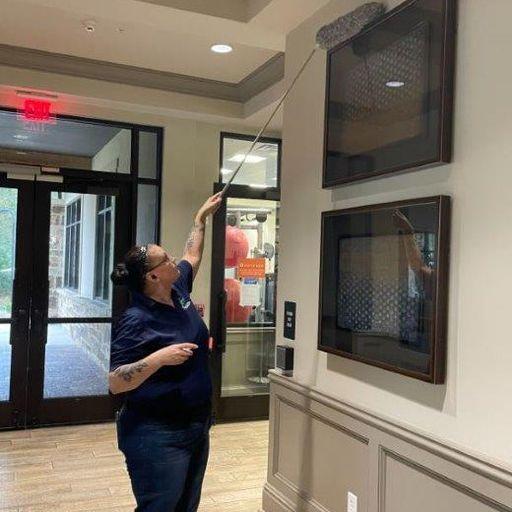
Quality-focused training encourages employees to maintain higher cleaning standards by developing a sharp eye for often-overlooked areas. Technicians learn to identify and address hidden dust accumulation, high-touch point sanitation requirements, and subtle floor care needs that untrained personnel typically miss. This rigorous emphasis on thoroughness transforms standard janitorial work into a comprehensive facility care program that protects the business’s image.
Reinforcing Workplace Safety Practices
Teaching the safe handling of cleaning equipment, chemical mixtures, and sanitation procedures protects both the cleaning staff and the building occupants. Certified training protocols ensure that technicians understand safety data sheets (SDS), proper ventilation requirements, and the correct utilization of personal protective equipment (PPE). Adhering to these strict safety regulations minimizes liability risks and ensures the commercial environment remains secure during and after the cleaning process.
How Technology Supports Cleaning Quality Standards
Digital Inspection and Reporting Tools
Modern technology helps track cleaning performance and improve transparency through advanced digital inspection platforms. Supervisors utilize specialized mobile applications to upload site photos, record audit scores, and instantly generate comprehensive compliance reports for facility managers. This immediate access to verifiable performance data guarantees that the cleaning provider remains entirely accountable for the agreed-upon standards.
Scheduling and Task Management Systems
Organized scheduling tools help ensure specialized cleaning tasks are completed on time and executed consistently. Automated software platforms allow managers to track daily routines, schedule periodic deep-cleaning projects, and monitor the real-time progress of technicians throughout the facility. This technological oversight eliminates scheduling conflicts and guarantees that critical sanitation requirements are never accidentally bypassed.
Monitoring Performance Through Data and Feedback
Performance tracking helps identify areas for long-term improvement and maintain exceptional service quality. By analyzing data collected from digital audits and client satisfaction surveys, management teams can recognize operational trends and adjust their resource allocation accordingly. This analytical approach enables cleaning companies to proactively refine their methodologies and deliver increasingly efficient facility maintenance solutions.
Common Challenges in Maintaining Cleaning Quality
Inconsistent Cleaning Practices
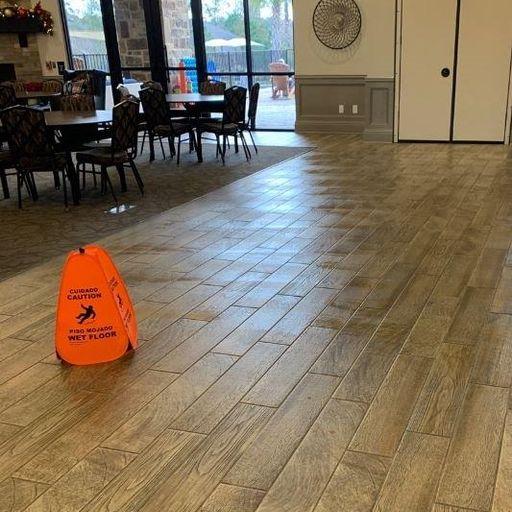
A lack of operational structure often leads to uneven cleaning results across different areas of a commercial facility. When technicians operate without documented guidelines, the quality of work fluctuates based on individual habits rather than professional standards. Implementing strict protocols and utilizing comprehensive checklists effectively eliminates these variations, ensuring uniform cleanliness throughout the entire property.
Managing Large or High-Traffic Facilities
Maintaining cleanliness in busy commercial environments with constant activity requires strategic planning and precise resource management. High-traffic areas, such as lobbies and public restrooms, accumulate dirt rapidly and demand increased service frequencies to remain presentable and sanitary. Professional cleaning companies address this challenge by deploying day porters and designing customized schedules that adapt to the specific flow of building occupants.
Addressing Customer Expectations and Concerns
Responding quickly to constructive feedback remains crucial for maintaining strong client satisfaction and addressing evolving facility needs. Businesses occasionally experience unique situations, such as unexpected spills or sudden VIP visits, which require an immediate adjustment to the standard cleaning routine. A responsive management team addresses these concerns promptly, demonstrating reliability and solidifying a trustworthy partnership with the business.
Benefits of Strong Quality Control for Businesses
Creating Healthier Work Environments
Quality commercial cleaning reduces germs, harmful allergens, and workplace health risks by eliminating pathogens at the source. Utilizing hospital-grade disinfectants and HEPA-filtered vacuums ensures that indoor air quality improves and cross-contamination risks drop significantly. Providing a thoroughly sanitized environment protects employees from seasonal illnesses, which directly supports higher productivity and lower absenteeism rates.
Improving Business Image and Professionalism
Consistently clean spaces leave highly positive impressions on prospective customers, dedicated employees, and important visiting stakeholders. A spotless lobby, fresh-smelling restrooms, and impeccably maintained floors instantly communicate that a business values excellence and pays close attention to detail. This polished physical appearance serves as a silent but powerful extension of the company’s brand identity and professional reputation.
Reducing Long-Term Maintenance Costs
Proper cleaning and structured maintenance help extend the life of expensive floors, office furniture, and facility equipment. Regular removal of abrasive dirt prevents premature wear on commercial carpets, while professional hard floor care stops permanent scratching and discoloration. By investing in quality-controlled cleaning services, facility managers avoid the substantial capital expenses associated with replacing damaged interior assets.
How Signature Cleaning Concepts, LLC Maintains High Cleaning Standards
Implementing Consistent Cleaning Procedures
Signature Cleaning Concepts, LLC follows highly structured processes to deliver dependable cleaning results for every client. The company utilizes comprehensive, customized checklists that guide fully bonded technicians through specific tasks required to maintain immaculate commercial spaces. This systematic approach guarantees that quality remains exceptionally high and consistent, protecting the facility during every single service visit.
Prioritizing Client Satisfaction and Communication
The company works closely with local businesses to address unique cleaning needs and exceed strict operational expectations. Signature Cleaning Concepts, LLC maintains open lines of communication, allowing facility managers to quickly request adjustments or report specific concerns directly to responsive supervisors. This dedication to transparent partnership ensures that the cleaning strategy continuously aligns with the client’s scheduling and sanitation requirements.
Supporting Long-Term Cleanliness and Facility Care
The organization demonstrates a strong commitment to maintaining healthier and more organized commercial environments through proactive care. By utilizing eco-friendly solutions and advanced sanitation equipment, the team consistently preserves the integrity of building materials while neutralizing workplace pathogens. This long-term focus on facility preservation provides businesses with true peace of mind and an enduringly professional atmosphere.
Best Practices for Improving Quality Control in Cleaning Services
Conducting Regular Performance Reviews
Evaluating cleaning results through formal performance reviews remains essential to maintain consistent service quality. Facility managers and cleaning supervisors should periodically walk through the property together to assess adherence to the established service-level agreements. These documented reviews provide a clear framework for recognizing excellent technician performance and correcting any minor operational deficiencies.
Encouraging Feedback From Employees and Clients
Open communication helps identify hidden facility concerns and dramatically improve ongoing cleaning operations. Building occupants notice different details than passing supervisors, making their daily observations highly valuable for fine-tuning the sanitation strategy. Providing a simple method for staff to report cleanliness issues ensures that the service provider can adjust protocols to meet the true needs of the people using the space.
Continuously Updating Cleaning Procedures
Businesses and professional cleaning providers must adapt to changing health standards and evolving industry needs. As new commercial-grade disinfectants and advanced cleaning technologies enter the market, service protocols must be updated to maximize efficiency and safety. Regularly revising these standard operating procedures guarantees that the facility always benefits from the most effective and compliant maintenance strategies available.
Why Quality Control Defines Commercial Cleaning Success
Quality control systems help maintain impeccable cleanliness, operational consistency, and total customer satisfaction. By utilizing trained professionals, documented procedures, and rigorous supervisory audits, a quality-assured cleaning program eliminates the uncertainty often associated with facility maintenance.
Strong cleaning practices support healthier workplaces, highly professional appearances, and overall operational efficiency. When a facility is consistently cared for by a reputable provider, the longevity of physical assets increases, and the likelihood of workplace illness decreases.
Businesses must prioritize quality-focused cleaning services and structured cleaning systems to achieve long-term operational benefits. Partnering with a fully insured, heavily vetted commercial cleaning provider protects the organization from liability while delivering a superior standard of clean. Taking these factors into account will help you secure a cleaning partner that keeps your business environment completely spotless, professional, and welcoming.
https://www.google.com/maps?cid=5464939504344514741