How Structured Cleaning Systems Improve Consistency in Commercial Spaces
Structured cleaning systems replace reactive cleaning with documented protocols, comprehensive checklists, and routine inspections. This organized approach ensures reliable sanitation, reduces cross-contamination, and protects your commercial assets. Implementing these systems creates a safer and more professional environment that consistently meets strict industry standards.
Maintaining a consistently clean facility directly protects your staff and patrons, ensuring your business environment remains safe and highly professional. When your commercial space reflects a high standard of care, it signals to clients and employees that your organization values health and operational excellence. Implementing a structured cleaning system establishes dependable routines that prevent dirt and pathogens from accumulating over time.
This guide covers the essential factors that create a reliable commercial cleaning system and explains how standardized protocols address complex facility requirements. You will learn how documented operating procedures, routine inspections, and customized cleaning strategies ensure your business environment remains pristine.
Defining Structured Cleaning Systems in the Workplace
Moving from Reactive to Proactive Maintenance
Addressing messes as they occur leaves your facility vulnerable to the gradual buildup of bacteria and grime. Moving to a proactive maintenance model involves implementing a structured protocol that prevents this accumulation before it impacts your daily operations. This systematic approach ensures that professionally trained staff consistently clean and disinfect your environment according to a precise schedule, protecting your property from unexpected degradation.
Establishing Baseline Hygiene Metrics
Determining exactly what constitutes a clean environment for your specific industry is necessary to set clear expectations and measurable standards. You must define these baseline hygiene metrics so that cleaning professionals understand the exact level of sanitation required for your facility. Establishing these benchmarks ensures that your chosen service provider maintains regulatory compliance and consistently delivers the high-quality results your business demands.
Creating Documented Operating Procedures
Relying on formal, written guidelines ensures that every professional who enters your facility follows the exact same sanitation process. Documented operating procedures remove ambiguity by detailing the specific techniques, tools, and frequencies required for each area of your commercial space. This strict adherence to standardized instructions guarantees a reliable outcome, regardless of which fully bonded team member is assigned to service your building.
Standardizing Daily and Weekly Maintenance Tasks
Developing Comprehensive Task Checklists
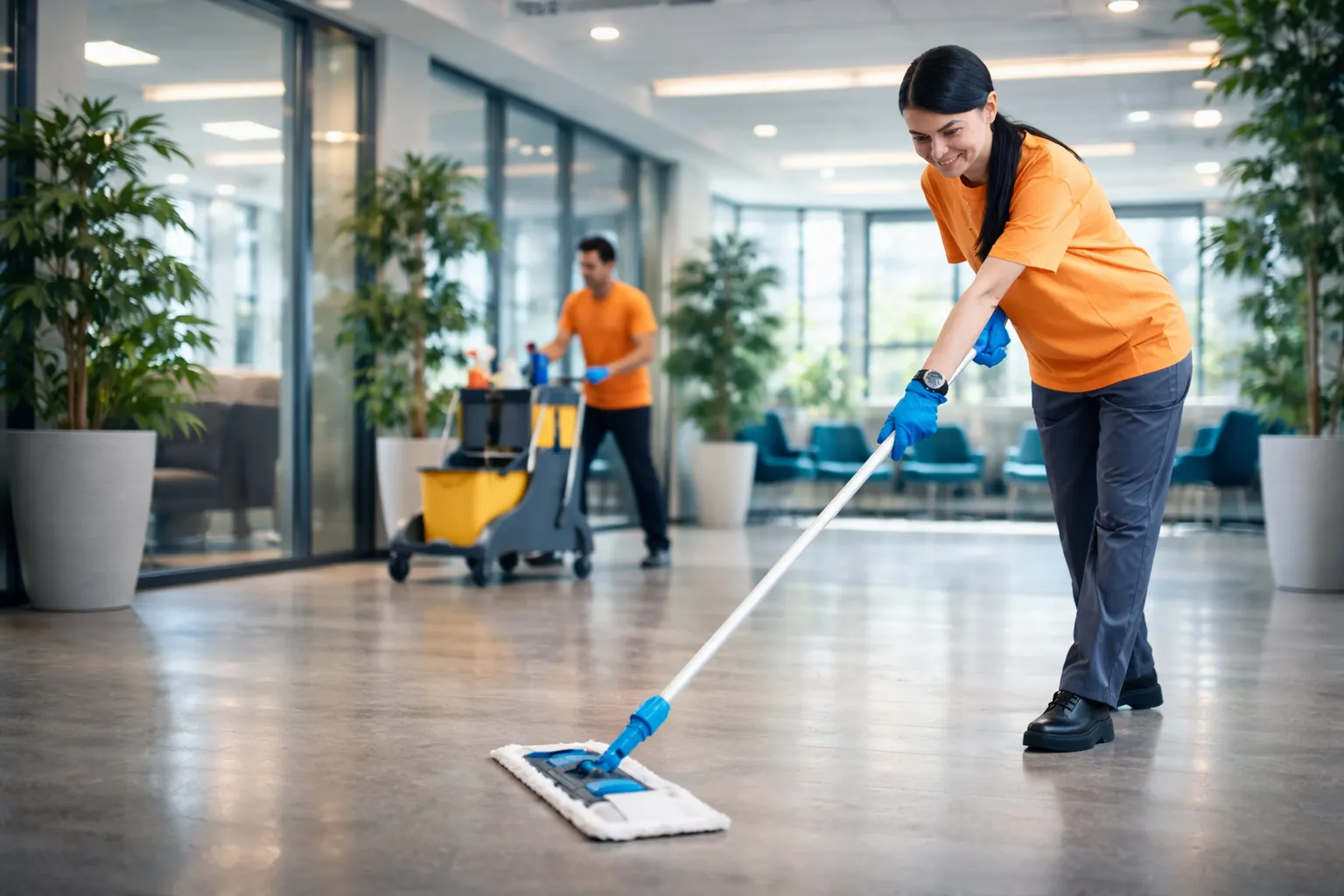
Breaking down facility care into highly specific daily, weekly, and monthly lists ensures no area of your business is overlooked. Comprehensive task checklists provide a clear roadmap for cleaning personnel, detailing exactly what requires attention during every scheduled visit. This methodical organization guarantees that critical tasks, such as sanitizing restrooms and emptying waste receptacles, are performed consistently and thoroughly.
Assigning Clear Accountability to Cleaning Personnel
Assigning distinct zones to professionally trained staff builds ownership and ensures consistent execution of your facility’s maintenance plan. When cleaning personnel are responsible for specific areas, they become highly familiar with the unique requirements and traffic patterns of those spaces. This clear accountability leads to a higher standard of care and allows facility managers to easily verify that all scheduled tasks are completed properly.
Managing High-Traffic Areas Predictably
Scheduling frequent attention to lobbies, breakrooms, and main corridors requires a structured strategy that does not disrupt your daily business activities. Managing these high-traffic areas predictably involves deploying cleaning staff during off-peak hours or coordinating subtle maintenance routines throughout the day. This proactive scheduling ensures that the most visible parts of your facility consistently make a positive impression on your clients and staff.
Reducing Cross-Contamination with Organized Protocols
Implementing Color-Coded Sanitation Tools
Standardizing the color of cloths and mops prevents the transfer of dangerous bacteria from restrooms to general office workspaces. Implementing a strict color-coded system ensures that cleaning professionals always use the correct tools for specific environmental zones, significantly reducing the risk of cross-contamination. This simple but highly effective protocol protects the health of your employees by maintaining strict hygienic boundaries within your facility.
Enforcing Strict Chemical Usage Guidelines
Providing fully documented instructions for diluting and applying disinfectants is necessary to ensure maximum efficacy and workplace safety. Enforcing strict chemical usage guidelines prevents the improper mixing of commercial-grade cleaning agents, which can cause surface damage or create hazardous fumes. Following these standardized procedures guarantees that your facility is sanitized properly using safe, approved methods.
Applying Proper Disinfectant Dwell Times
Structured training ensures cleaning staff leave sanitizing agents on surfaces long enough to successfully destroy targeted pathogens. Applying proper disinfectant dwell times is a critical component of infection control, as wiping away chemicals too quickly renders them ineffective against viruses and bacteria. Educating cleaning personnel on these specific requirements ensures that your high-touch surfaces are genuinely disinfected rather than merely wiped down.
Enhancing Quality Control Through Routine Inspections
Establishing Regular Evaluation Schedules
Conducting planned, objective inspections verifies that your facility consistently meets established hygiene standards and contractual obligations. Establishing regular evaluation schedules allows facility managers to monitor the performance of the cleaning team and ensure compliance with documented operating procedures. This routine oversight provides concrete reassurance that your commercial space is receiving the thorough, professional care you expect.
Utilizing Digital Tracking and Reporting
Modern management systems track completed tasks and identify areas that require additional attention or specialized training. Utilizing digital reporting tools gives you transparent access to maintenance logs, allowing you to verify that comprehensive checklists are followed correctly. This data-driven approach removes guesswork from facility management and establishes a clear record of your building’s sanitation history.
Adjusting Protocols Based on Performance Data
Routinely reviewing inspection results allows facility managers to refine their cleaning strategies and correct minor issues before they become noticeable problems. Adjusting protocols based on performance data ensures that your maintenance system remains highly responsive to the changing needs of your commercial space. This continuous improvement process guarantees that your cleaning program consistently delivers reliable and effective results over time.
Optimizing Resource and Inventory Management
Tracking Supply Usage to Prevent Shortages
A structured system monitors the consumption of paper products and soap, ensuring your facility remains fully stocked for staff and visitors. Tracking supply usage carefully prevents sudden shortages that can disrupt your daily operations and create an unprofessional environment in your restrooms and break areas. This organized inventory management keeps your business running smoothly and efficiently.
Standardizing Equipment and Chemical Selection
Using a consistent, approved list of commercial-grade cleaning agents simplifies training and maintains reliable sanitation results. Standardizing your equipment and chemical selection ensures that cleaning professionals always have access to the exact tools required by your documented operating procedures. This consistency prevents surface damage and guarantees that your facility is maintained using safe, thoroughly tested products.
Controlling Operational Costs Through Efficient Allocation
Preventing the overuse of supplies and equipment protects your bottom line while maintaining a consistently high standard of cleanliness. Controlling operational costs through efficient allocation involves training staff to use the precise amount of chemicals and materials required for each task. This disciplined approach eliminates unnecessary waste and ensures that your facility maintenance budget is utilized effectively.
Supporting Employee Health and Workplace Productivity
Linking Clean Workspaces to Reduced Absenteeism
Consistently disinfecting high-touch surfaces breaks the chain of infection and keeps your workforce healthy, particularly during the annual flu season. Clean workspaces are directly linked to reduced absenteeism because routine sanitization eliminates the bacteria and viruses that spread common illnesses throughout an office.
Improving Indoor Air Quality with Scheduled Maintenance
Routine HVAC filter changes and specialized HEPA vacuuming permanently remove particulate matter from your building’s air circulation. Improving indoor air quality through scheduled maintenance protects employees from allergens, dust, and respiratory irritants that accumulate in commercial environments.
Fostering a Culture of Cleanliness Among Your Staff
Maintaining a highly professional environment encourages employees to take better care of their individual workstations and shared spaces. When your facility is consistently spotless, it establishes a standard of excellence that fosters a culture of cleanliness among your entire team.
Partnering with Signature Cleaning Concepts, LLC for Dependable Results
Evaluating Your Commercial Facility’s Specific Needs
Signature Cleaning Concepts, LLC assesses your unique operational layout to develop a customized, highly structured cleaning strategy. Evaluating your facility’s specific needs ensures that your maintenance plan addresses your exact traffic patterns, flooring types, and industry regulations.
Relying on Fully Bonded and Background-Checked Professionals
Your business gains significant protection by trusting an insured provider whose staff has passed rigorous vetting before servicing your property. Relying on fully bonded and background-checked professionals guarantees that the individuals working inside your facility are highly trustworthy and properly trained.
Delivering Tailored and Consistent Environmental Care
A dedicated management team ensures your facility remains spotless, compliant, and consistently prepared to make a positive impression on your clients. Delivering tailored and consistent environmental care means executing your customized task checklists with absolute precision during every scheduled visit.
Adapting Systems for Long-Term Facility Preservation
Scheduling Intensive Deep Cleaning Cycles
Planning for periodic restorative maintenance, such as commercial carpet extraction and hard floor refinishing, is necessary to protect your physical assets. Scheduling intensive deep cleaning cycles addresses the deeply embedded dirt and wear that daily maintenance cannot fully resolve.
Protecting Your Investment in Commercial Infrastructure
Consistent removal of dirt and abrasive particles prevents the premature degradation of your facility’s flooring, carpets, and expensive fixtures. Protecting your investment in commercial infrastructure requires a structured cleaning system that addresses grit and grime before they cause permanent scratches or discoloration.
Scaling Cleaning Operations as Your Business Grows
A well-documented cleaning system remains flexible enough to easily accommodate building expansions, changing schedules, or increased foot traffic. Scaling cleaning operations as your business grows involves adjusting your baseline metrics and comprehensive checklists to reflect your new operational reality.
Securing Your Facility With a Systematized Maintenance Approach
A structured, comprehensive commercial cleaning approach protects the health, safety, and professional image of your commercial space. By moving away from reactive methods and implementing standardized operating procedures, you ensure that every corner of your facility receives consistent, high-quality care. This level of predictability allows you to focus on running your business rather than managing maintenance emergencies.
Facility managers should assess their existing protocols against strict industry benchmarks to identify necessary areas for standardization and improvement. Evaluating your current strategy will reveal gaps in your sanitation routines and highlight opportunities to reduce cross-contamination and resource waste.
Selecting an experienced, fully insured cleaning partner ensures your commercial operations remain secure, clean, and predictably well-maintained. Partnering with a professional provider guarantees that your customized cleaning system is executed flawlessly by rigorously vetted experts. Taking these steps will establish a standard of excellence that protects your property and supports the success of your organization.
https://www.google.com/maps?cid=5464939504344514741