Why High-Traffic Community Spaces Need Professional Maintenance
First impressions stick. Whether someone is visiting a park, shopping center, apartment complex, or community center for the first time—or the hundredth—the condition of that space sends a clear, immediate message about the people responsible for it.
Well-maintained spaces communicate care, professionalism, and pride. Neglected ones signal the opposite. For high-traffic community spaces, where dozens, hundreds, or even thousands of people pass through daily, that message carries even more weight.
Professional maintenance isn’t just about aesthetics, though a clean, polished environment certainly matters. It’s about safety, long-term cost management, community trust, and property value. This post explores why high-traffic spaces demand more than a mop and a broom—and why investing in professional maintenance is one of the smartest decisions a facility manager or community organization can make.
The Unique Challenges of High-Traffic Spaces
Not all spaces are created equal. A low-traffic office building and a busy transit hub have entirely different maintenance needs, even if they occupy similar square footage. High-traffic community spaces face a specific set of challenges that escalate quickly when left unaddressed.
Heavy foot traffic accelerates wear and tear on virtually every surface. Floor coatings erode. Grout lines accumulate grime. Entry mats flatten and lose their effectiveness. Handrails, doors, and restroom fixtures experience repeated use throughout the day, becoming hotspots for bacteria and physical damage.
Seasonal conditions add another layer of complexity. Wet weather tracks mud and moisture indoors, increasing the risk of slippery surfaces. Dry, dusty conditions cause particles to settle on surfaces, aggravating allergies and reducing air quality.
Why Standard Cleaning Routines Aren’t Enough
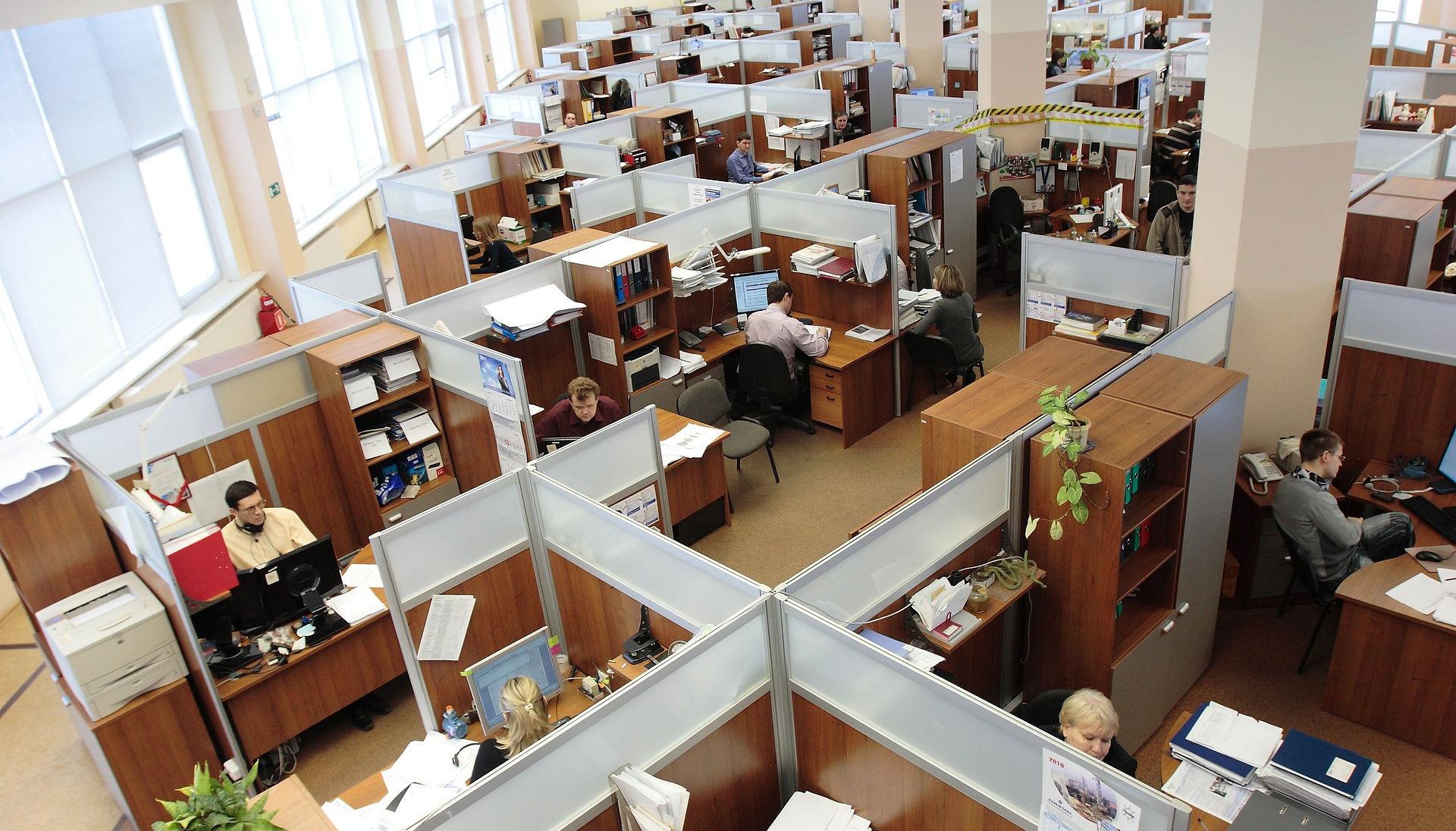
Routine cleaning schedules designed for low-traffic environments simply can’t keep up with the demands of a high-traffic space. The volume of visitors means that surfaces become soiled, damaged, and hazardous far faster than standard schedules account for.
Professional maintenance services approach these spaces with frequency, strategy, and specialized equipment that generic cleaning routines can’t match. They understand that high-traffic spaces require proactive attention—not reactive responses.
Safety First: Protecting Visitors and Residents
Of all the reasons to invest in professional maintenance, safety is the most pressing. Cracked pathways, worn floor surfaces, poor lighting, and slippery entryways are more than eyesores—they’re liability risks.
Slip-and-fall accidents are among the most common causes of injury in public spaces. Wet floors without proper signage, deteriorating outdoor pavement, or uneven surfaces can result in serious injuries and costly legal consequences for property owners and facility managers.
Professional maintenance teams are trained to identify and address these hazards before they cause harm. That means repairing cracked concrete and pavement promptly, cleaning and treating slippery surfaces with appropriate products, managing drainage issues that create pooling water, and ensuring that high-use areas like stairwells, parking lots, and entryways meet safety standards.
Compliance and Legal Responsibility
Public and community spaces are subject to a range of safety regulations and compliance standards. Failing to maintain these spaces adequately can expose organizations to fines, legal claims, and reputational damage.
Professional maintenance providers stay current with relevant safety codes and cleaning standards, helping facility managers meet their legal obligations and protect visitors and residents alike.
Cost Savings Through Preventative Maintenance
There’s a common misconception that professional maintenance is an unnecessary expense—something to consider cutting when budgets get tight. In practice, the opposite is true. Regular, professional upkeep consistently reduces long-term costs by catching small problems before they become large, expensive ones.
Consider what neglect actually costs. A minor crack in a parking lot surface, left unaddressed, allows water to seep in. Freeze-thaw cycles expand that crack into a pothole. What might have been a simple seal-coat treatment becomes a full resurfacing job—an expense many times greater.
The same principle applies indoors. Grout that isn’t regularly cleaned and sealed deteriorates faster, requiring full re-grouting or tile replacement. HVAC filters clogged with dust reduce system efficiency and shorten the lifespan of expensive equipment. Stained carpets that aren’t professionally treated become permanently discolored, requiring early replacement.
The Financial Logic of Prevention
Preventative maintenance follows a straightforward financial logic: spend a little consistently, or spend a lot sporadically. For high-traffic spaces where wear accumulates quickly, the case for consistent professional upkeep is even stronger.
Facility managers who invest in scheduled maintenance also benefit from more predictable budgeting. Rather than facing surprise repair bills, they can plan maintenance costs in advance—reducing financial stress and keeping operations running smoothly.
Enhancing Community Satisfaction and Trust
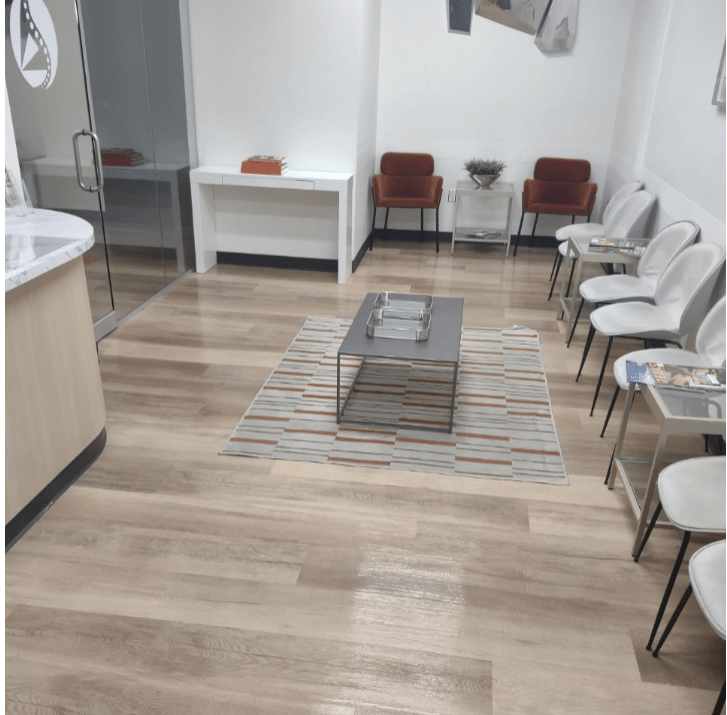
The condition of a shared space affects how people feel about using it—and whether they choose to return. Clean, well-maintained environments encourage engagement, repeat visits, and a genuine sense of community pride. Unkempt spaces do the opposite.
Research in environmental psychology consistently shows that people respond emotionally and behaviorally to their physical surroundings. Cluttered, dirty, or deteriorating spaces trigger feelings of unease and disrespect. Clean, orderly spaces promote calm, trust, and a sense of belonging.
For community organizations, apartment complexes, and public facilities, this psychological dimension of maintenance has real practical implications. Residents who feel proud of their shared spaces are more likely to treat them with care. Visitors who encounter a clean, welcoming environment are more likely to return—and to speak positively about their experience.
The Ripple Effect of a Well-Kept Space
Community satisfaction and trust aren’t built overnight. They accumulate through consistent experiences over time. A space that is reliably clean and well-maintained becomes associated with quality, reliability, and respect for the people who use it. That reputation is worth protecting.
Professional maintenance services provide the consistency that builds this kind of trust. Regular schedules, thorough processes, and accountability ensure that standards don’t slip—even during busy periods or challenging conditions.
Boosting Long-Term Property Value
High-traffic community spaces that are well-maintained hold their value—financially, aesthetically, and functionally—far better than those that are neglected. For property owners, developers, and community organizations, this translates directly into long-term economic benefits.
Businesses are more likely to lease space in a well-maintained commercial complex. Event organizers seek out venues that reflect positively on their brand. Investors assess the condition of facilities when evaluating potential acquisitions. In each case, professional maintenance plays a visible, measurable role in making spaces attractive and functional.
Curb appeal matters, too. The exterior condition of a community space—its landscaping, signage, pathways, and entryways—creates the first impression for anyone approaching. A polished exterior signals a well-run operation. A neglected one raises immediate questions about what might be worse inside.
Maintenance as an Investment, Not an Expense
The most successful facility managers and property owners view maintenance not as an operational cost to minimize, but as an investment in the long-term value of their assets. Spaces that receive consistent professional care retain their functionality and aesthetic appeal for longer, reducing the need for costly renovations and preserving their competitive position in the market.
Why DIY Maintenance Falls Short
It’s tempting to assume that in-house staff can handle maintenance needs without outside help. For lower-traffic or smaller spaces, that may occasionally be true. For high-traffic community spaces, it rarely is.
In-house or ad-hoc maintenance typically lacks the specialized equipment required for deep cleaning and surface restoration. It also lacks the structured processes that professional teams bring—processes developed and refined through years of experience across a wide range of environments.
There’s also the matter of time. High-traffic spaces require consistent, frequent attention. In-house staff juggling multiple responsibilities can’t realistically maintain the level of focus and frequency that professional maintenance teams dedicate to the work.
What Professional Teams Bring to the Table
Professional maintenance providers offer expertise, industrial-grade equipment, trained personnel, and documented processes. They can handle specialized tasks—pressure washing, grout restoration, hard floor refinishing, hazardous material cleanup—that fall outside the capabilities of general staff.
They also bring accountability. Reputable maintenance companies operate on agreed schedules and standards, with clear documentation of work completed. That accountability is difficult to replicate with in-house arrangements.
Signature Cleaning Concepts: Your Partner in Professional Maintenance
For high-traffic community spaces across the region, Signature Cleaning Concepts has been a trusted name in professional maintenance for over a decade. As a family-owned-and-operated local business with more than 10 years of experience in commercial cleaning and janitorial services, they bring a personal commitment to quality that larger, impersonal contractors often can’t match.
Signature Cleaning Concepts understands the specific demands of high-traffic environments. Their team is equipped to handle the full range of commercial maintenance needs—from routine janitorial services to specialized cleaning and surface care. They work closely with facility managers, property owners, and community organizations to develop maintenance programs tailored to the unique needs of each space.
Being locally rooted matters. Signature Cleaning Concepts understands the communities they serve, and that understanding shapes how they approach every job. They’re not just a vendor—they’re a partner invested in helping community spaces look, feel, and function at their best.
Keep Your Community Spaces at Their Best
High-traffic community spaces carry a responsibility to the people who use them. Safety, cleanliness, and functionality aren’t optional—they’re expectations that directly affect community trust, property value, and long-term costs.
Professional maintenance is the most reliable way to meet those expectations consistently. It prevents accidents, protects assets, builds community confidence, and ultimately costs less than the alternative.
Contact Signature Cleaning Concepts today to ensure your community spaces remain safe, welcoming, and well-maintained.
https://www.google.com/maps?cid=5464939504344514741